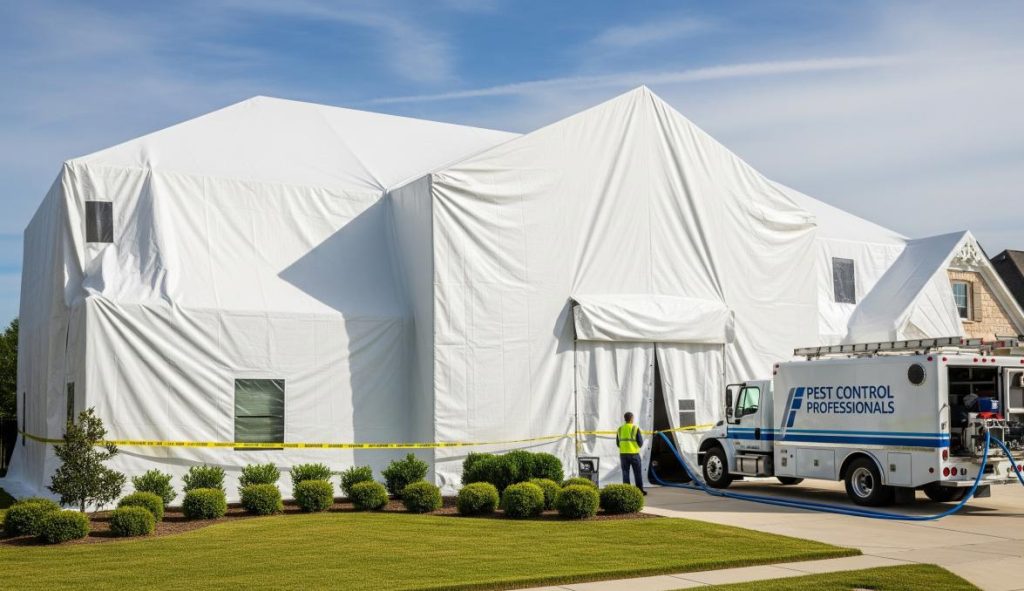
Keeping a home or business free of pests can be a constant challenge. Pests, from insects to rodents, are persistent invaders. Thankfully, fumigation offers an effective solution. Knowing smart fumigation methods is essential for long-lasting pest control, whether you’re protecting a garden, warehouse, or residential space.
Fumigation: More Than Just a Quick Fix
Fumigation is often viewed as a last resort, but when applied correctly, it becomes an essential part of a comprehensive pest management strategy. Unlike surface sprays or traps, fumigation targets pests deep within cracks, crevices, and hidden areas that other methods cannot reach. The secret lies in the controlled release of gas or vapor that penetrates every nook and cranny to eradicate pests at all life stages.
This technique, however, requires precision and care. Choosing the right fumigant, timing, and safety measures are essential to success.
These are some key fumigation tips that ensure you get rid of pests permanently, without compromising your safety or the integrity of your property.
Selecting the Appropriate Fumigants
Not all fumigants are created equal. Common options include sulfuryl fluoride, methyl bromide, and phosphine, each suited to different types of pests and environments. For example, phosphine gas is widely used in grain storage facilities due to its ability to penetrate dense materials and eliminate insects like beetles and weevils.
When deciding on a fumigant, consider factors like the target pest species, the nature of the infested area, and environmental safety regulations. Professional fumigators often evaluate these parameters to recommend the optimal solution that aligns with both effectiveness and safety.
Timing and Preparation for Optimal Results
Fumigation requires meticulous preparation. Before treatment, thoroughly clean the area, remove any food items, and seal openings such as windows and doors, creating a closed environment to maximize fumigant concentration. Timing is also vital; applying fumigation when pest populations are at their peak increases the chance of total eradication.
Additionally, weather conditions influence fumigation success. Most fumigants work best when temperatures are moderate and humidity levels are controlled. Avoid fumigation during heavy rains or extreme heat, as these can diminish the gas’s efficacy.
Enhancing Fumigation with Natural and Preventive Strategies
While fumigation provides a robust treatment option, combining it with natural remedies and preventive measures fortifies pest control. This holistic approach not only eradicates current infestations but also builds a barrier to future invasions.
Integrating Natural Repellents Post-Fumigation
Once the fumigation process is complete, incorporating natural deterrents can maintain pest-free environments. For instance, planting aromatic herbs such as basil or marigolds around your property can repel common pests due to their pungent scent.
Furthermore, using essential oil sprays, especially those containing peppermint or tea tree oils, on entry points creates a hostile environment for insects like ants and spiders. These natural methods align well with fumigation, offering a safe, chemical-free layer of protection.
Maintaining Hygiene and Structural Integrity
Preventing pest return hinges on maintaining a clean, well-sealed space. Regularly dispose of food waste, eliminate standing water, and fix structural gaps where pests might gain entry. Employing barriers such as diatomaceous earth around foundations and window frames further discourages crawling insects.
Remember, fumigation is most effective when part of an integrated pest management plan that includes routine inspections and timely interventions.
Safety Measures and Professional Assistance
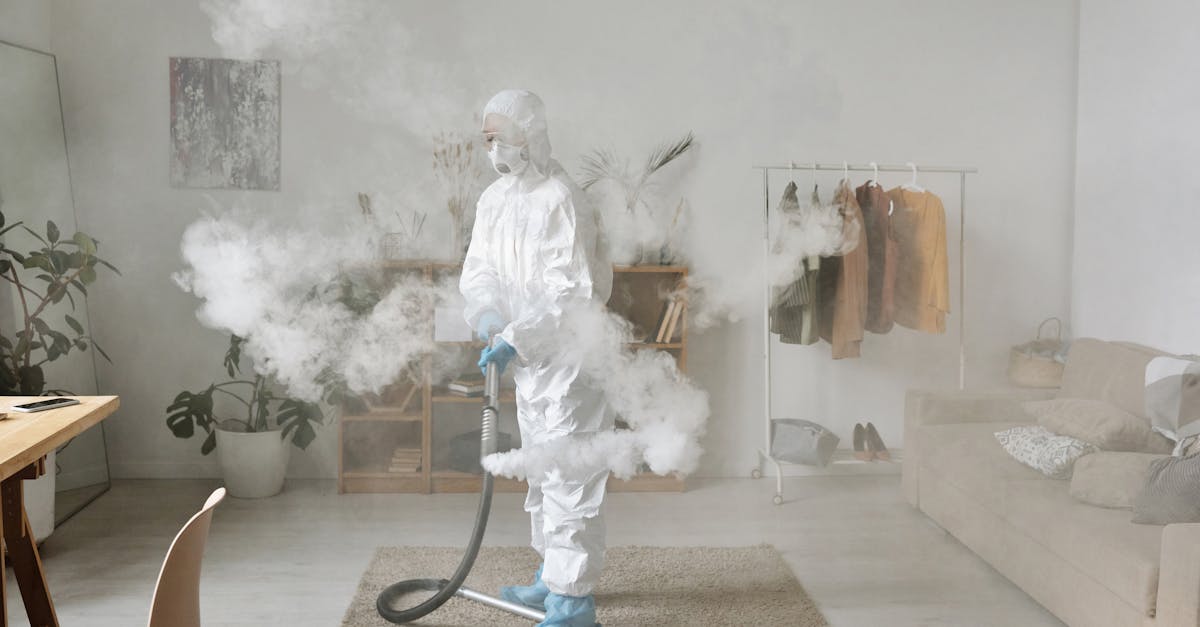
Handling fumigants involves significant risks due to their toxic nature. Proper safety protocols and expertise are indispensable to protect humans, pets, and the environment. Understanding safety reduces accidental exposure and maximizes treatment effectiveness.
Essential Safety Protocols During Fumigation
Before fumigation begins, evacuate people and animals from the area. Secure all foodstuffs and sensitive equipment. Use appropriate personal protective equipment, including respirators and gloves, during the application process. Ventilate the treated space thoroughly once the fumigation period ends to remove residual gases.
Compliance with legal regulations and environmental guidelines is also mandatory. This includes notifying local authorities when required and ensuring disposal of fumigants follows recommended procedures.
Why Hiring Professionals Makes All the Difference
Professional fumigation services bring specialized knowledge, licensed personnel, and advanced equipment. They conduct thorough inspections, accurately identify pest species, and tailor fumigation plans accordingly. This targeted approach minimizes chemical usage while maximizing impact.
Additionally, trained technicians monitor fumigant levels and control exposure times, ensuring that treatments are both effective and safe. Opting for experts reduces costly mistakes and guarantees peace of mind.
Comparison of Popular Fumigation Methods
| Method | Target Pests | Advantages |
|---|---|---|
| Sulfuryl Fluoride | Termites, Wood-boring insects | Penetrates wood easily; no residue |
| Methyl Bromide | Fruits, Grains, Insects | Broad spectrum effectiveness; fast acting |
| Phosphine Gas | Stored product pests, Grain insects | Low toxicity to humans; effective in enclosed spaces |
| Natural Essential Oil Vapors | Ants, Spiders, Mosquitoes | Safe for humans and pets; eco-friendly |
For those looking to delve deeper into natural pest controllers, consider exploring the benefits of cloves and their pest-repelling properties. This versatile spice offers a unique, natural way to enhance your fumigation strategy while promoting health and safety.
In short, effective fumigation is a blend of choosing the right chemicals, timing the application perfectly, and combining treatments with natural and preventive methods. Ensuring safety and involving professional fumigation services elevates success rates and minimizes risks. Incorporating complementary strategies like natural repellents and structural maintenance extends protection and reduces chances of reinfestation.
For a lasting solution to pest problems, contact experienced companies who tailor treatments to your unique needs. Don’t let pests take over, reach out today to schedule a consultation and safeguard your premises with the proven power of professional fumigation.
https://www.youtube.com/watch?v=qTkp-9o9hH0