Did you know that seemingly minor neglected home maintenance contributes to over 15,000 residential fires each year in the U.S. alone? Complacency can be a silent threat, as many homeowners unknowingly put their safety and property at risk by overlooking essential cleaning, inspection, and maintenance tasks. From clearing dryer vents to ensuring outdoor light fixtures are functional, a series of simple, regular checks can significantly protect your home and family. Don’t wait for a preventable disaster to strike—take proactive steps today to ensure your home remains the safe haven it’s meant to be.
Regular Maintenance of Smoke and Carbon Monoxide Detectors
Regularly maintain smoke and carbon monoxide detectors. Test them monthly. Replace batteries at least annually, or immediately if a low-battery chirp sounds. Replace entire detector units every seven to ten years, per manufacturer recommendations. Set reminders to ensure these tools remain functional.
Strategically place detectors: install smoke alarms on every level, inside each bedroom, and outside sleeping areas. CO detectors also need placement on every level and outside sleeping areas. Ensure alarms are audible to all. For interconnected systems, test that all alarms sound when one is triggered.
Inspecting Home Security Systems
Regularly inspect security systems. Periodically check batteries in wireless sensors (door/window, motion) and cameras; dead batteries can lead to undetected break-ins. Test all system features, including arming and disarming.
Utilize smart security system features: remote camera access, motion-triggered alerts, and two-way audio. Consider professional monitoring for added protection.
Overlooked Areas for Fire Hazards
Beyond the kitchen, other areas pose fire risks. Accumulated lint in clothes dryers and vent systems is a leading cause of house fires. Clean your dryer’s lint trap after every load. Have the entire dryer vent ductwork professionally cleaned at least annually (or more if clothes take longer to dry). Pest nests (birds, rodents) in exhaust vents can also obstruct airflow, creating fire or CO risks.
Ensure correct smoke alarm placement and function. Addressing these issues minimizes fire dangers.
Protecting Windows and Doors
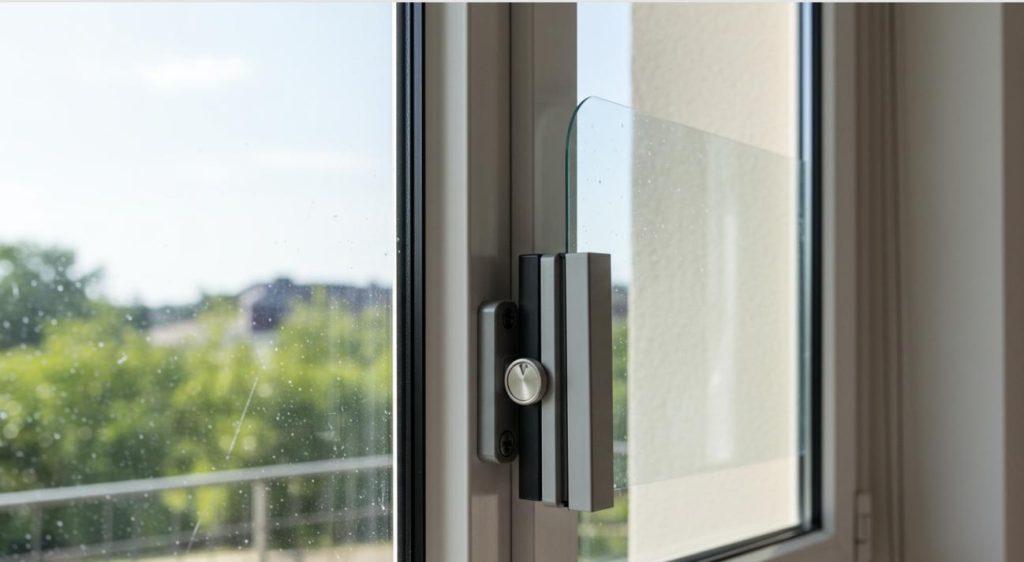
Windows and doors are primary entry points. Install high-quality deadbolts, minimum one-inch throw, on exterior doors. Ensure all window locks are functional and consistently used.
Apply residential security film to windows. This specialized film reinforces glass, making it harder for intruders to shatter and gain entry. It also holds broken glass together, reducing injury risk from impacts or severe weather.
Smart locks enhance protection with keyless entry, remote control, and entry/exit notifications. This multi-layered approach elevates security.
Maintaining Outdoor Spaces
Secure outdoor spaces. Use motion-sensor exterior lighting to illuminate dark areas, particularly near entry points. Maintain landscaping: trim overgrown bushes/trees away from windows and doors to eliminate cover for intruders and ensure clear views. Keep pathways clear and well-lit. Ensure gates and fences are in good repair.
Ensure outdoor electrical outlets are weatherproof and functional, especially when using outdoor equipment.
Preparing for Emergencies
Prepare your family for emergencies. Discuss scenarios (fire, severe weather, power outage) and create clear response plans. Involve all household members to build awareness and preparedness. Practice fire evacuation routes.
Assemble and maintain an accessible emergency kit: water, first-aid supplies, non-perishable food, flashlights, batteries, a radio, medications, and copies of important documents.
Useful Tools for Home Safety
|
Tool |
Purpose |
|
Smoke Detector |
Detects smoke and alerts occupants of fire |
|
Carbon Monoxide Detector |
Detects harmful gas levels in the home |
|
Smart Lock |
Provides keyless entry and remote locking/unlocking |
|
Residential Security Film |
Reinforces windows against forced entry; holds shattered glass |
|
Outdoor Motion Lights |
Illuminates property when motion is detected |
|
Fire Extinguisher |
Used to put out small, containable fires (know P.A.S.S. method) |
|
Emergency Kit |
Provides essential supplies during an emergency |
Home safety is an ongoing commitment to vigilance and proactive care. By routinely maintaining detectors, inspecting security systems, and enhancing the physical security of windows, doors, and outdoor spaces, you can significantly reduce risks. Furthermore, preparing your family for emergencies can lead to more informed, quicker, and safer responses in crisis moments. For those looking to gain added peace of mind and ensure comprehensive protection, consider hiring a professional home protection service.