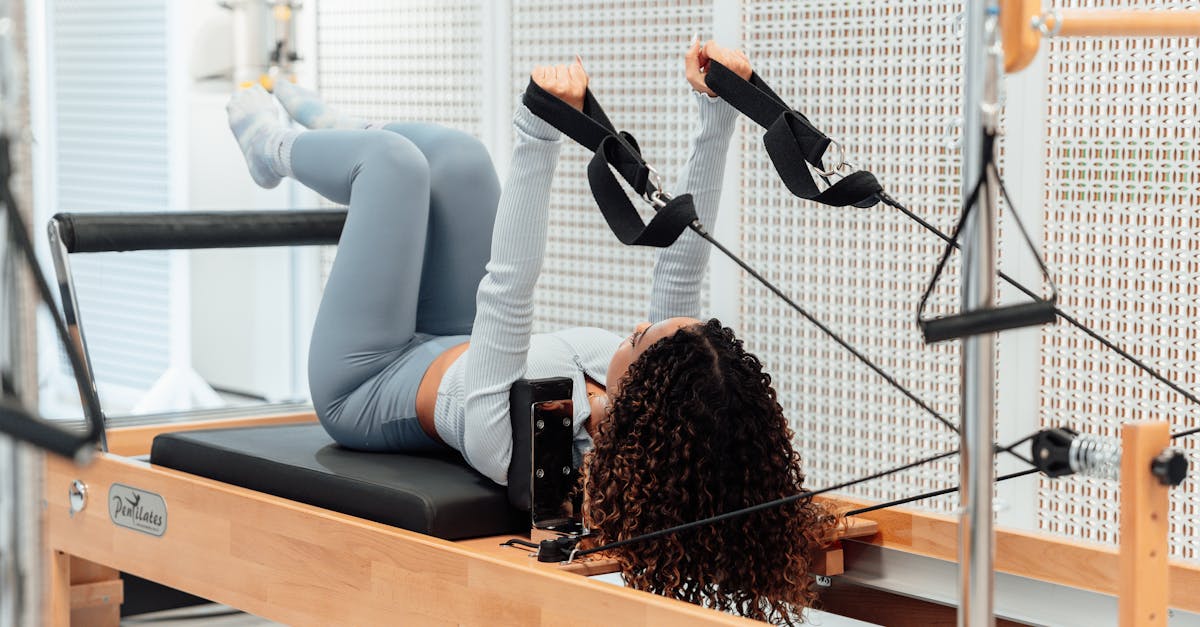
Integrating Pilates into dance or fitness routines has grown increasingly popular among athletes, dancers, and fitness enthusiasts. This approach not only refines body control but also enhances overall strength and flexibility. Understanding the benefits and practical ways to incorporate Pilates can significantly elevate your training outcomes.
Improving Core Strength and Stability
Core strength forms the foundation of both dance and fitness training. Pilates focuses on activating the deep abdominal muscles, which support spinal alignment and balance. When dancers and fitness practitioners build robust core muscles, they achieve better posture, prevent injuries, and optimize body mechanics.
Strengthening the core through Pilates involves exercises such as the hundred, roll-up, and plank variations. These movements target key muscle groups, helping improve stamina and functional strength. For performers and athletes, this translates into smoother, more controlled movements that enhance performance.
Key benefits of Pilates core training include:
- Enhanced postural alignment
- Reduced risk of lower back pain
- Improved muscle endurance and balance
Remember, integrating Pilates strengthens the body’s center, which is crucial for balance and fluidity in dance and physical activity. This foundation supports all other muscular work, preventing fatigue and overcompensation.
Enhancing Flexibility and Mobility
Flexibility and mobility are essential for dancers and fitness enthusiasts seeking full range of motion without compromising joint health. Pilates routines promote elongation of muscles while strengthening them, which differs from traditional stretching alone.
Through controlled dynamic movements such as spine stretches and leg circles, Pilates aids in lengthening muscle fibers and improving joint articulation. This balance between strength and flexibility helps prevent strains and boosts muscle efficiency during performance.
Below is a comparison illustrating the flexibility aspects between Pilates and conventional stretching routines:
| Aspect | Pilates | Traditional Stretching |
|---|---|---|
| Focus | Muscle elongation with strength | Muscle elongation only |
| Control | Controlled, mindful movements | Often passive holds |
| Benefit | Improved joint mobility and stability | Temporary flexibility increase |
| Injury prevention | High, due to balanced strength | Lower, risk of overstretching |
By adopting Pilates, performers nurture a safer, more effective mobility routine that complements any dance or fitness training regimen.
Supporting Recovery and Injury Prevention
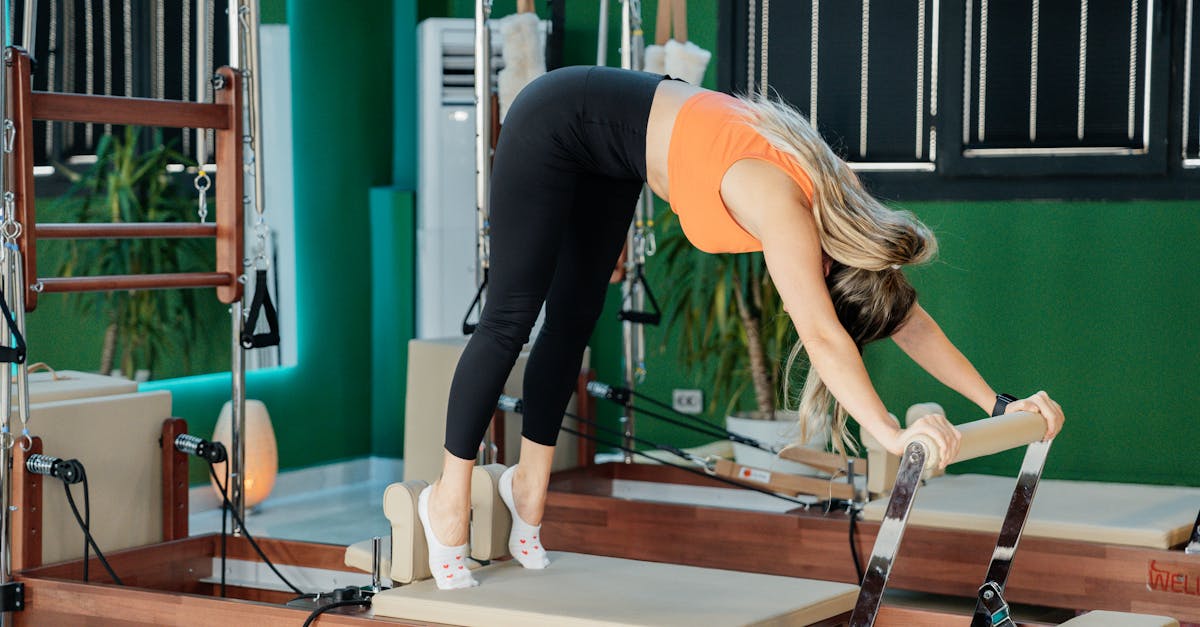
Pilates is widely recognized for its rehabilitative benefits, making it a smart choice for injury prevention and recovery. Its emphasis on controlled, low-impact movements allows for strengthening without overstressing the body.
Incorporating Pilates into your routine helps balance muscle groups often neglected, reduces muscular imbalances, and improves joint health. This careful approach is particularly beneficial for dancers and athletes who face repetitive strain and overuse injuries.
Additionally, rehabilitation through Pilates has been proven effective in regaining mobility and function after injury. Studies on rehabilitation demonstrate how Pilates promotes gradual strengthening, aiding in safer, more sustainable recovery.
Practical ways to use Pilates for prevention and recovery:
- Integrate Pilates sessions on rest days for active recovery
- Focus on postural alignment exercises after intense workouts
- Use Pilates breathing techniques to reduce stress and muscle tension (source)
Practical Tips to Incorporate Pilates Into Your Training
Introducing Pilates into a dance or fitness program should be gradual and thoughtful. Begin by understanding your specific needs—whether enhancing flexibility, building core strength, or aiding recovery.
Here’s how to get started:
- Start with beginner Pilates classes: Learn foundational exercises and breathing techniques under qualified instruction.
- Schedule regular Pilates sessions: Aim for two to three sessions weekly to complement your current training.
- Focus on quality over quantity: Prioritize precise control and proper form to maximize benefits.
- Combine Pilates with your dance or fitness goals: Tailor routines to target identified weaknesses or imbalances.
Consistency plays a crucial role. As your body adapts, you can progressively increase the intensity or complexity of Pilates exercises. This integration enhances your overall physical literacy and movement quality.
To get the most of your training, consider expert guidance from specialists who understand the demands of dance or intense fitness regimens. This strategy ensures Pilates complements rather than conflicts with your primary activity.